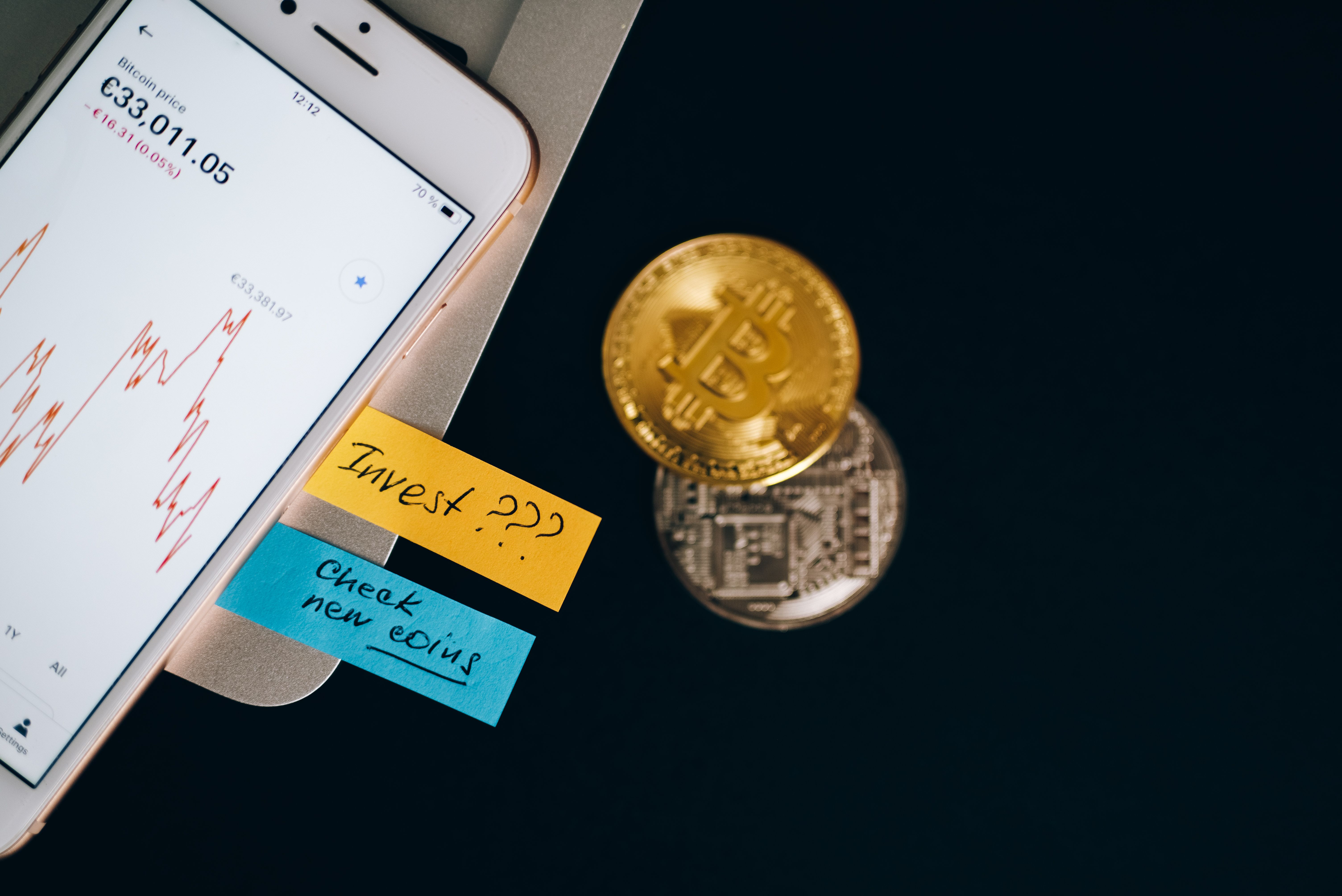
What Is Bitcoin Investment for Beginners? Costs and Risks
Bitcoin trades at $62,667 today, down 1.61% in 24 hours, based on real-time market data as of November 18, 2026. Many beginners buy after a big rally and sell in a panic after a drop. This guide covers what you are buying, what it costs, what the history shows, and how to start without the common errors.
Risk disclaimer: This article is educational and is not financial, tax or legal advice. Bitcoin is volatile and unregulated in many ways. You can lose your entire investment. Check the rules in your own country before buying.
What Bitcoin Investment Actually Means
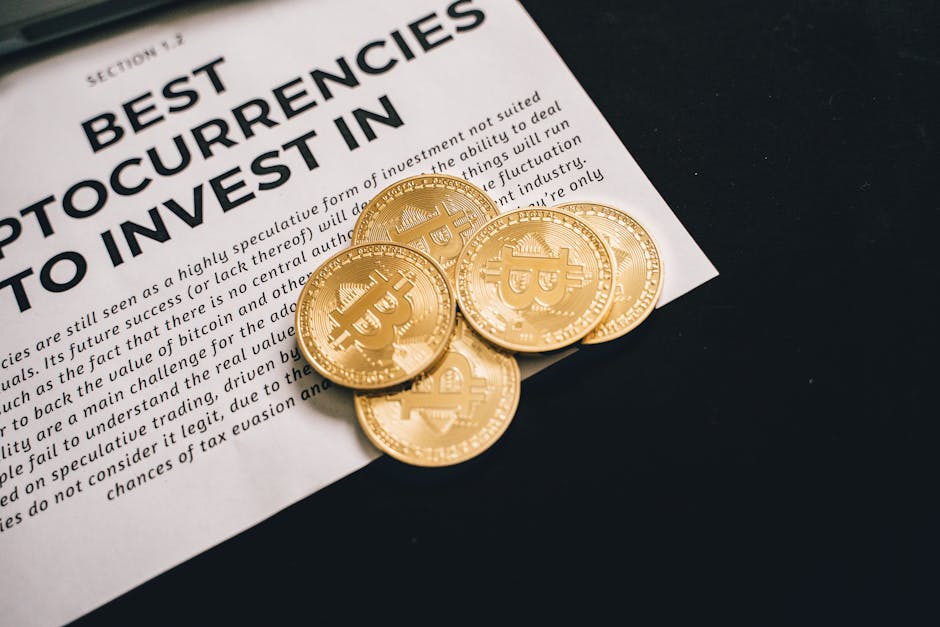
According to Investopedia's explanation of Bitcoin, Bitcoin is a decentralized digital currency that runs on a peer-to-peer network without a central bank or single administrator. Investing in it usually means buying BTC as an asset, not spending it like cash.
Three facts define the asset:
- Fixed supply: The protocol caps Bitcoin at 21 million coins.
- Divisible: One BTC splits into 100 million units called satoshis, so you never need to buy a whole coin.
- No cash flows: Bitcoin pays no dividend or interest. Your return depends entirely on the price you sell at versus the price you paid.
Example: $100 buys about 0.0016 BTC at today's price ($100 divided by $62,667). Buying 0.001 BTC costs about $62.67.
How Bitcoin Works in Plain English
Bitcoin runs on a public ledger called the blockchain. Thousands of computers (nodes) keep copies and agree on which transactions are valid. Miners add new blocks to the chain and earn newly created BTC plus fees. The block reward halves roughly every four years. The April 2024 halving cut it to 3.125 BTC per block.
You do not interact with this directly when you buy through an exchange. The exchange holds the coins for you (custodial). If you withdraw to your own wallet, you control the private keys (self-custody). Whoever holds the keys controls the coins.
Historical Performance and Realistic Return Expectations
Bitcoin has produced some of the largest gains and some of the deepest drawdowns of any major asset. The table lists widely reported milestones. Prices before today are rounded and approximate. Verify exact figures on a charting source such as data from CoinGecko.
| Date | Event | Approx. BTC price |
|---|---|---|
| January 2009 | Genesis block mined; network starts | No market price |
| May 2010 | First widely cited commercial purchase (10,000 BTC for two pizzas) | Fractions of a cent |
| November 2021 | Then all-time high | About $69,000 |
| November 2022 | Cycle low after the FTX collapse | About $15,500 |
| January 2024 | SEC approves spot Bitcoin exchange-traded products | Not applicable |
| April 2024 | Fourth halving; reward drops to 3.125 BTC | Not applicable |
| December 2024 | First trade above $100,000 | About $100,000 |
| November 18, 2026 | Current price (real-time market data as of November 18, 2026) | $62,667 |
What the numbers say about expectations
- From the 2021 high (~$69,000) to the 2022 low (~$15,500), the price fell by roughly three-quarters. A beginner buying at the top would have needed a stomach for a 75% paper loss.
- From that 2022 low to today, the price is about 4x higher. Past gains do not predict future returns.
- Today's price is about 9% below the 2021 peak and about 37% below the December 2024 milestone, using the rounded figures above.
No source can give you a reliable expected annual return for Bitcoin. Anyone quoting a guaranteed figure is selling something. Plan for a range from large gains to large losses, over multiple years.
Costs, Fees and Minimum Investment
Fees differ by platform and change often, so confirm them on the official fee page before depositing. This table describes structures only. It does not state specific rates.
| Cost type | How it works | Beginner impact |
|---|---|---|
| Trading fee | Percentage or flat fee per buy or sell. Simple "buy" buttons usually cost more than advanced order-book trading. | Highest cost for small, frequent buys |
| Spread | Gap between the buy price shown and the market mid-price. Often not labeled as a fee. | Hidden cost on instant-buy screens |
| Deposit fee | Card payments commonly cost more than bank transfers; some methods are free. | Can be larger than the trading fee |
| Withdrawal fee | Network fee to move BTC to your own wallet. Varies with network congestion. | Matters when moving small amounts |
| Custody or ETF expense | Spot Bitcoin ETFs charge an annual expense ratio instead of wallet management. | Ongoing cost, no wallet needed |
Illustration (hypothetical): A combined 1.5% cost on a $100 buy is $1.50. The same percentage on $1,000 is $15. If a platform adds a flat fee, small purchases get proportionally more expensive. Always compare the total cost, not the headline fee.
Minimum investment: Because Bitcoin is divisible, there is no fixed minimum in the protocol. Each platform sets its own minimum purchase, and many allow small amounts. Check the app's buy screen for the current limit before funding an account.
Beginner-Friendly Ways to Buy: Comparison
This table lists well-known options and general trade-offs. Availability, licensing and features depend on your country, so confirm that a platform serves your location and is licensed there. Industry coverage from CoinDesk is a useful place to check recent news on any exchange before you deposit money.
| Option | Pros | Cons |
|---|---|---|
| Coinbase (with Coinbase Advanced) | Simple interface; publicly listed parent company; an advanced trading view with lower-cost order types | Simple-buy screen is costlier than Advanced; fees vary by payment method |
| Kraken | Long-running exchange; separate pro trading interface | Feature set can feel crowded to a first-time user; availability varies by region |
| Gemini Straightforward buying Fee structure differs between simple and advanced modes | ||
| Cash App | Very easy for small buys inside an app many people already use | Limited tools; check pricing and withdrawal options |
| Brokerage account with a spot Bitcoin ETF | No wallet or keys to manage; sits next to your other investments | You do not hold actual coins; trades only during market hours; annual expense ratio applies |
If you only want price exposure and do not want to manage keys, the ETF route is simpler. If you want to own coins and possibly use them, choose an exchange and learn self-custody. For a deeper walkthrough, see our how to buy Bitcoin safely guide and the best crypto exchanges for beginners comparison.
7 Steps to Make Your First Purchase

- Set your budget first. Pick an amount you could lose entirely without changing your lifestyle. Keep an emergency fund separate.
- Choose a regulated platform that serves your country. Read the fee page and the withdrawal policy.
- Verify your identity. Regulated platforms require ID. Verification times vary by platform.
- Turn on two-factor authentication using an authenticator app or a hardware key before depositing funds.
- Deposit via the cheapest method available to you. Bank transfers are usually cheaper than cards.
- Buy in slices. Splitting a purchase into scheduled buys (dollar-cost averaging) reduces the risk of buying one bad day.
- Decide where to store it. Leave small amounts on a reputable exchange or move larger sums to a wallet you control.
Practical details that trip up first-timers
- Wrong network: Sending BTC to an address on a different network can lose it permanently. Send a small test amount first.
- Address copy errors: Malware can swap clipboard contents. Compare the first and last several characters of the address before confirming.
- Withdrawal holds: New accounts or new payment methods often face temporary withdrawal limits. Read the policy before you need the money.
- Price versus total cost: The "market price" shown may exclude the spread. Review the final confirmation screen for the exact BTC amount you receive.
Storage and Security Checklist
Security is the part you control completely. Use this checklist before and after your first purchase.
- Use a unique, long password from a password manager for each exchange.
- Enable app-based or hardware-key two-factor authentication. Avoid SMS where an alternative exists.
- Turn on withdrawal address allowlisting if the platform offers it.
- Type the exchange URL yourself or use a saved bookmark. Never click links from unsolicited messages.
- If you self-custody, write the recovery phrase on paper or metal. Never photograph it, email it or type it into a website.
- Never share your recovery phrase with anyone, including "support staff." Legitimate support never asks for it.
- Buy hardware wallets only from the manufacturer's official store.
- Treat promises of guaranteed returns, "doubling" giveaways and unsolicited investment advice as scam signals.
- Keep a written record of purchases, sales and transfers for tax purposes.
The trade-off is simple. Exchange custody is convenient but depends on the company's security and solvency. Self-custody removes that counterparty risk but makes you solely responsible for your keys. Neither is risk-free.
The Psychology of Beginner Investing
Behavior drives results as much as the asset does. Three patterns appear repeatedly among new Bitcoin buyers:
| Bias | What it looks like | Counter-measure |
|---|---|---|
| Fear of missing out | Buying after a sharp rally because everyone is talking about it | Split purchases over weeks or months |
| Loss aversion | Selling at the first large drop to stop the pain | Write your plan and sell rules before buying |
| Overconfidence | Putting savings into one volatile asset after an early gain | Cap Bitcoin at a share of your portfolio you can tolerate losing |
A 24-hour move of -1.61% is ordinary for Bitcoin. Large moves over a month are possible. If daily swings will keep you up at night, reduce your position.
Common Beginner Mistakes
- Investing money needed for rent, debt payments or emergencies.
- Buying everything at once at a local high.
- Ignoring the total fee (spread, card surcharge, withdrawal fee).
- Leaving all funds on a platform without security settings enabled.
- Sharing a recovery phrase or responding to "support" messages from strangers.
- Skipping record-keeping, then struggling at tax time.
- Chasing smaller altcoins before understanding Bitcoin. For context, Ethereum trades at $1,756 and Solana at $73.15 today (real-time market data as of November 18, 2026), and they carry their own, often higher, risks.
Tax Basics
Rules differ by country, so treat this as a framework and ask a qualified tax professional. In the United States, the IRS treats cryptocurrency as property. Selling Bitcoin for a profit, trading it for another coin, or spending it can trigger a taxable event. Holding for more than one year generally qualifies for long-term capital gains rates, while shorter holds are taxed at ordinary rates. Simply buying and holding is generally not taxable on its own.
Keep records of the date, amount, price and fees for every transaction. Many exchanges provide downloadable transaction histories. Other countries tax crypto differently and some require reporting of holdings, so check your local tax authority's guidance.
Self-Assessment: Are You Ready?

Answer each question honestly. This is a thinking aid, not a scored test. Several "No" answers in the first group suggest waiting.
| Question | If your answer is No |
|---|---|
| Do you have an emergency fund covering several months of expenses? | Build it before buying |
| Are you free of high-interest debt? | Pay it down first; its interest cost is a guaranteed loss |
| Could you lose 50% or more of this investment and keep your plans? | Reduce the amount or skip Bitcoin |
| Can you leave the money untouched for several years? | Bitcoin suits a long horizon only |
| Do you understand where your coins are stored and who holds the keys? | Read the storage section again before depositing |
| Do you have a written plan for when you would buy more or sell? | Write one before your first purchase |
For related reading, see our complete crypto guide, the spot Bitcoin ETF explained article for the brokerage route, and self-custody wallet basics. You can also browse more investment articles.
FAQ
What is Bitcoin investment for beginners?
It is buying Bitcoin through an exchange, app or brokerage product and holding it for potential price appreciation. You can start with a small fraction of a coin. Returns come only from price changes, since Bitcoin pays no interest or dividends.
How much money do I need to start?
There is no protocol minimum, and each platform sets its own purchase minimum. At $62,667 per BTC, $100 buys about 0.0016 BTC. Check the buy screen on your chosen platform for the current minimum.
How do I buy Bitcoin for the first time?
Choose a regulated platform available in your country, verify your identity, secure the account with two-factor authentication, deposit funds, and place a buy order. Consider buying in smaller scheduled amounts instead of one lump sum.
Is Bitcoin safe for beginners?
The network itself has run since 2009, but the investment is high-risk. Price drops of about three-quarters have occurred (roughly $69,000 in 2021 to about $15,500 in 2022). Scams, phishing and lost keys are additional risks. Invest only money you can afford to lose.
Is Bitcoin a good investment for beginners?
It depends on your goals, time horizon and risk tolerance. No source can promise future returns. Many beginners limit Bitcoin to a small share of their savings after building an emergency fund.
Can you lose all your money in Bitcoin?
Yes. Price declines, exchange failures, scams and lost recovery phrases can each cause partial or total loss. Position sizing and good security habits reduce, but do not remove, the risk.
Why does the Bitcoin price change so much?
Price is set by supply and demand across global markets that trade around the clock. News, regulation, interest rates and investor sentiment move it. With no earnings or cash flows to anchor value, swings can be large.
Do I have to pay taxes on Bitcoin?
In many countries, selling or trading Bitcoin at a profit is taxable. In the United States the IRS treats it as property, and the holding period affects the rate. Rules differ elsewhere, so consult a tax professional.
Disclosure: XPERTRAX (xpertrax.com) is an affiliated platform. Links and pop-ups pointing to xpertrax.com promote it. This article is for information only and is not financial advice.