
Stock Trading Platform Comparison: Fees, Tools, Safety
A "$0 commission" label does not mean a $0 trade. You still pay through options contract fees, margin interest, regulatory pass-through fees, and the quality of the price you get on each fill. You can also pay in time, if the platform lacks the screener, chart tool or options analytics your strategy needs.
This guide compares seven widely used brokers on published pricing structure, account minimums, platforms, crypto access and regulatory status. It then ranks them by trader type, covering options and margin users, international traders, crypto-curious investors and people rolling over a 401(k).
Independent roundups such as the one maintained according to Investopedia and the ranking published per Forbes Advisor evaluate brokers on similar criteria: costs, tools, account types, and support. Use them to cross-check any figure here before you fund an account, because fee schedules change.
Side-by-Side Fee Comparison

The table lists publicly posted base pricing for standard online US-listed trades. Regulatory and exchange pass-through fees (such as the SEC fee and FINRA trading activity fee on sales) apply at most brokers on top of these figures. Confirm each figure on the broker's current fee schedule.
| Broker | US stocks and ETFs (online) | Options per contract | Account minimum | Crypto trading |
|---|---|---|---|---|
| Fidelity | $0 | $0.65 | $0 | — |
| Charles Schwab (thinkorswim) | $0 | $0.65 | — | Confirm current spot availability |
| Interactive Brokers | — | — | $0 | Yes |
| E*TRADE (Morgan Stanley) | $0 | — | $0 | Confirm current availability |
| Robinhood | $0 | $0 commission | $0 | Yes |
| Webull | $0 | $0 commission | $0 | Yes |
| tastytrade | — | — | $0 | Yes |
Two caveats. First, a $0 commission broker usually earns revenue elsewhere, including payment for order flow, securities lending and cash balance interest spreads. Brokers publish order-routing disclosures (SEC Rule 606 reports), so you can see where orders go. Second, cash sweep rates differ widely; a low sweep rate on idle cash is a real cost for larger balances.
Platform Comparison Matrix
Mobile app ratings change over time and differ by operating system, so this guide does not quote a score. Check the current store rating and recent review dates before deciding, and look specifically for complaints about outages during volatile sessions.
7 Platforms by Trader Type
- Interactive Brokers: best for international access and advanced order types. Its tiered margin pricing and access to many non-US markets suit active and cross-border traders. The learning curve is steeper than at the others.
- Charles Schwab (thinkorswim): best for charting and options analysis. thinkorswim is a long-standing platform with paper trading, which lets you rehearse a strategy before using real money.
- Fidelity: best for long-term investors and retirement rollovers. Strong research and a range of IRA and rollover options make it a reasonable pick for investors who trade infrequently.
- tastytrade: best for frequent options traders.
- E*TRADE: best for mid-frequency options traders who want a polished desktop tool. Power E*TRADE is built around options analysis.
- Webull: best for active traders who want charting on mobile. Review the regulatory pass-through fees that still apply.
- Robinhood: best for simplicity and combined stock and crypto in one app. The interface is minimal by design, which helps new investors and limits depth for advanced analysis.
This ordering reflects fit for stated use cases, not a performance ranking. No broker here is "best" for every investor.
Which CTA fits your profile
| Trader persona | Start with | Read next |
|---|---|---|
| Options and margin trader | tastytrade, Schwab thinkorswim, Interactive Brokers | options trading strategies guide |
| Cross-border investor | Interactive Brokers | international stock trading guide |
| Retirement saver | Fidelity, Schwab, E*TRADE | 401(k) rollover to IRA guide |
| Crypto-curious stock trader | Robinhood, Webull, Fidelity | crypto exchange comparison |
Options and Margin: What Advanced Traders Should Check
Advanced traders should compare five items, not one.
- Per-contract cost on both legs. Because per-contract fees apply to every leg on both opening and closing, a four-leg spread pays the fee eight times per set. At $0 commission brokers, the cost shifts to spreads and fill quality.
- Margin interest. Rates are tiered by balance and track a benchmark rate, so they change. Compare the published rate for your balance tier on the day you open the account, not last year's figure.
- Margin rules. Under Regulation T, initial margin is 50% for most stock purchases. FINRA sets a 25% minimum maintenance requirement, and brokers often set higher house requirements.
- Day trading rule. FINRA's pattern day trader rule requires $25,000 minimum equity for margin accounts making four or more day trades within five business days. Rules can change, so confirm the current requirement with your broker.
- Options approval levels. Spreads, naked short options and portfolio margin require higher approval tiers. Approval standards and review times differ by broker.
International Traders
Some US brokers accept only US residents or limited groups of non-US residents. Always check the broker's published country list before applying. Interactive Brokers is often considered for global access and supports trading in many non-US markets and currencies.
- Local regulation matters. The regulator and the investor compensation scheme differ by country (the FCA in the UK, ASIC in Australia, MAS in Singapore, CIRO in Canada). SIPC protection applies to US broker-dealer accounts, not to every entity of a global broker.
- Currency conversion. Compare the FX spread or conversion fee for funding and for trading foreign stocks. This is often a larger cost than commissions.
- Withholding tax. Non-US residents typically file a W-8BEN form and may face US dividend withholding, depending on treaty rates.
- Market data fees. Real-time data for some exchanges costs extra at some brokers.
Crypto Access
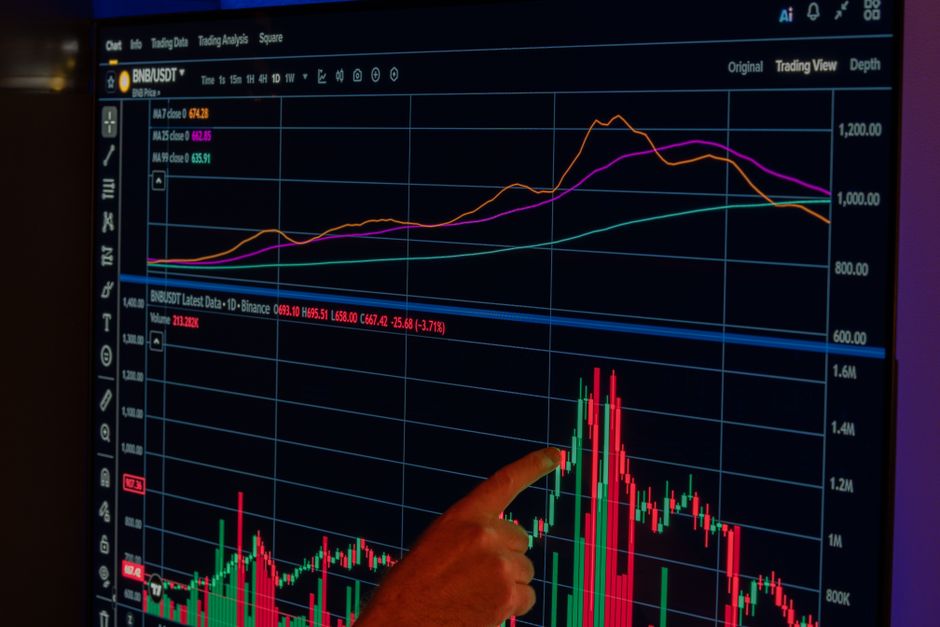
Brokers that offer crypto trading differ in coin selection, fee structures and custody setups. Crypto holdings at a broker are not covered by SIPC in the way securities are. Confirm how the broker describes custody, and whether you can withdraw coins to your own wallet. Some brokers offer only price exposure or restrict transfers. If coin selection and transfers matter, a dedicated exchange may fit better; see our crypto exchange comparison.
Tax-Advantaged Accounts, 401(k) Rollovers and Robo-Advisors
- 401(k) rollover method. A direct rollover moves funds trustee to trustee and avoids withholding. An indirect rollover typically withholds 20% for federal tax, and you must deposit the full amount within 60 days to avoid taxes and possible penalties.
- Roth versus traditional. A pre-tax 401(k) rolls to a traditional IRA without a tax event. Moving it to a Roth IRA is a taxable conversion.
- Tax-loss harvesting. The wash sale rule disallows a loss if you buy the same or a substantially identical security within 30 days before or after the sale. It applies across your accounts, including IRAs. Brokers provide cost basis tools, but you are responsible for tracking cross-account activity.
- Robo-advisors. Many brokers run automated portfolio services. Compare advisory fees, minimum balances and cash allocation requirements. Our tax-loss harvesting guide covers the mechanics in detail.
Switching Brokers: Process and Costs
- Open the new account first. Do not close the old one yet.
- Request an ACATS transfer from the receiving broker. A full in-kind transfer moves positions without selling them, so no taxable event occurs. Transfer times vary by broker.
- Check what will not transfer. Fractional shares, proprietary mutual funds, some options positions and crypto often cannot move in kind and may need to be sold or closed first.
- Check outgoing transfer fees. Many brokers charge a fee to send assets out. Some receiving brokers reimburse it, so ask before you start.
- Confirm cost basis carries over. Verify the basis on the new platform after transfer, especially for older lots.
Our how to switch brokers guide includes a checklist for open orders and dividend reinvestment settings.
Security and Regulation
According to the Securities Investor Protection Corporation, SIPC protects customers of member brokerages up to $500,000, including up to $250,000 in cash, if the firm fails and assets are missing. It does not cover losses from market declines. FINRA is the self-regulatory organization overseeing US broker-dealers, under the oversight of the SEC.
| Protection | What it covers | What it does not cover |
|---|---|---|
| SIPC | Securities and cash at a failed member broker, up to $500,000 ($250,000 cash) | Market losses, most crypto holdings |
| FINRA membership | Rules on conduct, licensing and dispute resolution for US broker-dealers | Does not insure assets |
| FDIC | Cash held at partner banks through a bank sweep program | Securities; coverage depends on the sweep program and limits per bank |
How This Comparison Was Built
This article compiles publicly posted broker pricing, platform descriptions and regulatory status, and cross-references the criteria used in the Investopedia and Forbes Advisor broker roundups. It does not report hands-on testing, execution quality measurement or user survey data. Each section flags where a figure must be confirmed on the broker's own pages, since fee schedules, margin rates and crypto offerings change often. When a detail could not be stated with confidence, the table says "confirm" rather than guess.
Editor Notes: Common Mistakes
The most common error is picking the platform with the lowest listed commission and ignoring the type of trading you actually do. A buy-and-hold investor making few trades gains little from a lower options rate, but may care a great deal about rollover support, research and cash sweep yield. An options trader running multi-leg spreads can gain a lot from a per-leg cap or a closing-fee waiver.
Other frequent problems: an ACATS transfer rejected because the account name or number does not match exactly; transferring only part of an account and leaving a balance that triggers inactivity fees; opening a margin account without understanding that the broker can liquidate positions without notice if equity falls below maintenance; and forgetting that a wash sale can be triggered by a purchase in an IRA. The fix is simple but tedious. Read the fee schedule, the margin agreement and the transfer instructions before you fund anything. Paper trade on a platform such as thinkorswim for a few weeks to confirm the interface suits your workflow.
FAQ
What is a stock trading platform comparison?
It is a side-by-side review of brokers on commissions, options fees, margin rates, account minimums, tools, account types and regulatory protections, so you can match a platform to your trading style.
How to choose a stock trading platform?
List your actual activity first: trades per month, options use, margin, international markets and retirement needs. Then compare fee schedules, platform features and transfer support for brokers that serve those needs, and paper trade before funding.
Is it safe to use online brokers?
Why do $0 commission brokers still cost money?
They earn from options contract fees, margin interest, payment for order flow, securities lending, cash sweep spreads and subscription tiers. Regulatory pass-through fees also apply to sales.
Can I move my account without selling my investments?
Yes, an in-kind ACATS transfer moves most securities without a sale. Fractional shares, proprietary funds and some options or crypto positions may not transfer and may need to be closed first.
Continue with our complete fintech guide or browse more trading articles.
For a complete overview, see our Best Stocks to Buy Guide.
Disclosure: XPERTRAX (xpertrax.com) is an affiliated platform. Links and pop-ups pointing to xpertrax.com promote it. This article is for information only and is not financial advice.